
Millions of employees have been laid off during the Covid-19 crisis. With companies slowly starting to re-open, inherently they will be re-hiring many employees. Some employees will need to go through the entire hiring process, whether an old employer or new, thus likely requiring an updated resume. This blog will provide an easy roadmap on how to create a resume. Just remember when it comes to resumes, easy does it. The resume should be easy to read and easy to write.
Contact Information
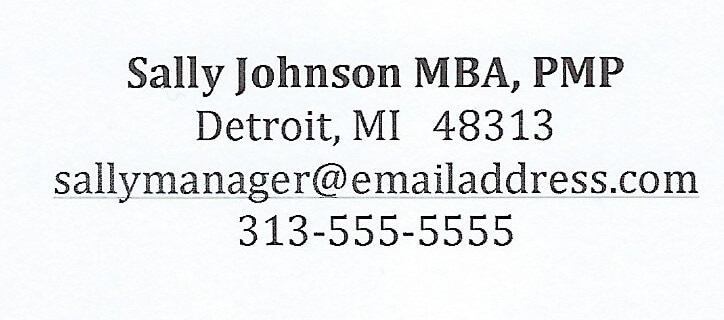
At the top of your resume list your contact information. Start with your full name. If you have advanced degrees or certifications that are valuable, list them after your name. Include your city, state and zip code so recruiters can easily search and find you. Listing your street address is not necessary but DO include your phone and email address.
Summary
After your contact information, list a summary of your skills. For example, a summary might begin with the number of years you have been in an industry or profession. i.e. 10 years IT background with 7 years of Big Data Architecture experience. In this section you should list ALL of your experience related skills, being as specific as possible. i.e. Proficient with Excel, PowerPoint and SharePoint. Please note it is not appropriate to list skills you do not have actual experience with.
The summary is a very important part of the resume
Employment History
On the left side of the resume, list the dates of your current or most recent employment (beginning and end), noting both month and year. Tab over a few spaces and list the name of your employer, tab over or use a dash and list your position title at this company.

Job Description
Next, below the Employment History line, list your job duties in bullet or paragraph form. If you are having difficulty, reference Indeed, search for your job title and use some of the wording listed in the job descriptions. Make certain you have performed the duties that you are listing in your experience. Misrepresenting your background is highly discouraged for a myriad of reasons.

Previous Experience
Then, go down two spaces and begin the process again listing your dates, employer, job title and responsibilities for your previous employment using the guideline above.
You don't need to list employment history past ten years but if you have been employed with only one or two employers for a long period, you should consider breaking down the dates with your long-term employer listing the progression you made with the company. If you have experience you want to list prior to 10 years, do so at the end of your employment history. Write: Previous Experience. Simply list the dates, company and your title, job description will not be required.

Education
After your employment history, list your degrees, advanced education and professional certifications. If you have multiple advanced degrees, list them. Certain industry certifications are highly sought after so list them both in your education section and list them after your name. As an example, PMP and CISSP are highly desired certifications. At the top of your resume it's advisable that you list your certifications following your name, i.e. Joe Schmow, CISSP

Additional Data
Professional memberships such as ITSMF (Information Technology Senior Management Forum). Volunteer activity such as STEM Volunteer. These activities can be listed after the education and certification section.

Follow these easy resume-writing tips and soon you will have a readable and searchable resume for recruiters and hiring managers to explore. Check out our Mantek Solutions career portal to see what our clients are looking for today!!